CAPABILITIES
From chalcogenide glass material to coated IR components.
Opticlens International Co. supports chalcogenide glass infrared optics programs through a practical process path: material review, preform preparation, spherical preforms, polishing, diamond turning, coating and inspection support.
PROCESS-DRIVEN SUPPORT
Not just parts — a manufacturable route.
Chalcogenide glass programs often require coordinated decisions across material, geometry, surface quality, coating design and inspection expectations.
PROCESS FLOW
A practical route from requirement to finished component.
The actual route depends on drawing, geometry, surface quality, coating needs and production quantity. This flow shows how we typically evaluate chalcogenide glass IR optics programs.
01
Material & requirement review
We review the drawing, target infrared band, material preference, geometry, surface quality, coating needs and quantity.
- Application and wavelength range
- Material type or transmission requirement
- Drawing/spec review
- Prototype or production intent
02
Preform / blank route
For molding or controlled-volume programs, we evaluate the suitable preform, blank or volume-controlled starting geometry.
- Custom diameter and thickness
- Volume or weight control
- Preform geometry for molding
- Batch quantity planning
03
Spherical preform / ball route
For spherical preforms, we review diameter, tolerance, volume consistency, surface quality and inspection expectations.
- Spherical preforms / balls
- Diameter consistency
- Controlled-volume applications
- 60/40 or 40/20 review where applicable
04
Polishing & surface quality
Surface preparation is reviewed based on geometry, process route, coating readiness and final inspection method.
- 60/40 surface quality options
- 40/20 surface quality options for qualified requirements
- Coating-ready surface preparation
- Inspection method alignment
05
Diamond turning
For aspheric, custom or complex IR geometries, diamond turning may be considered as part of the manufacturing route.
- Aspheric IR geometries
- Custom optical profiles
- Dimensional control
- Prototype and production machining support
06
Coating route
Coating is selected based on wavelength band, angle of incidence, durability need and exposure condition.
- DLC protective coating
- AR / BBAR coating
- Hard coating options
- Custom coating stack discussion
REAL PROCESS & SAMPLE SNAPSHOTS
Process evidence from machining, coating and material-stage work.
These images show example process and sample-stage views. Final part appearance may vary by material, geometry, surface quality, coating stack and inspection requirements.
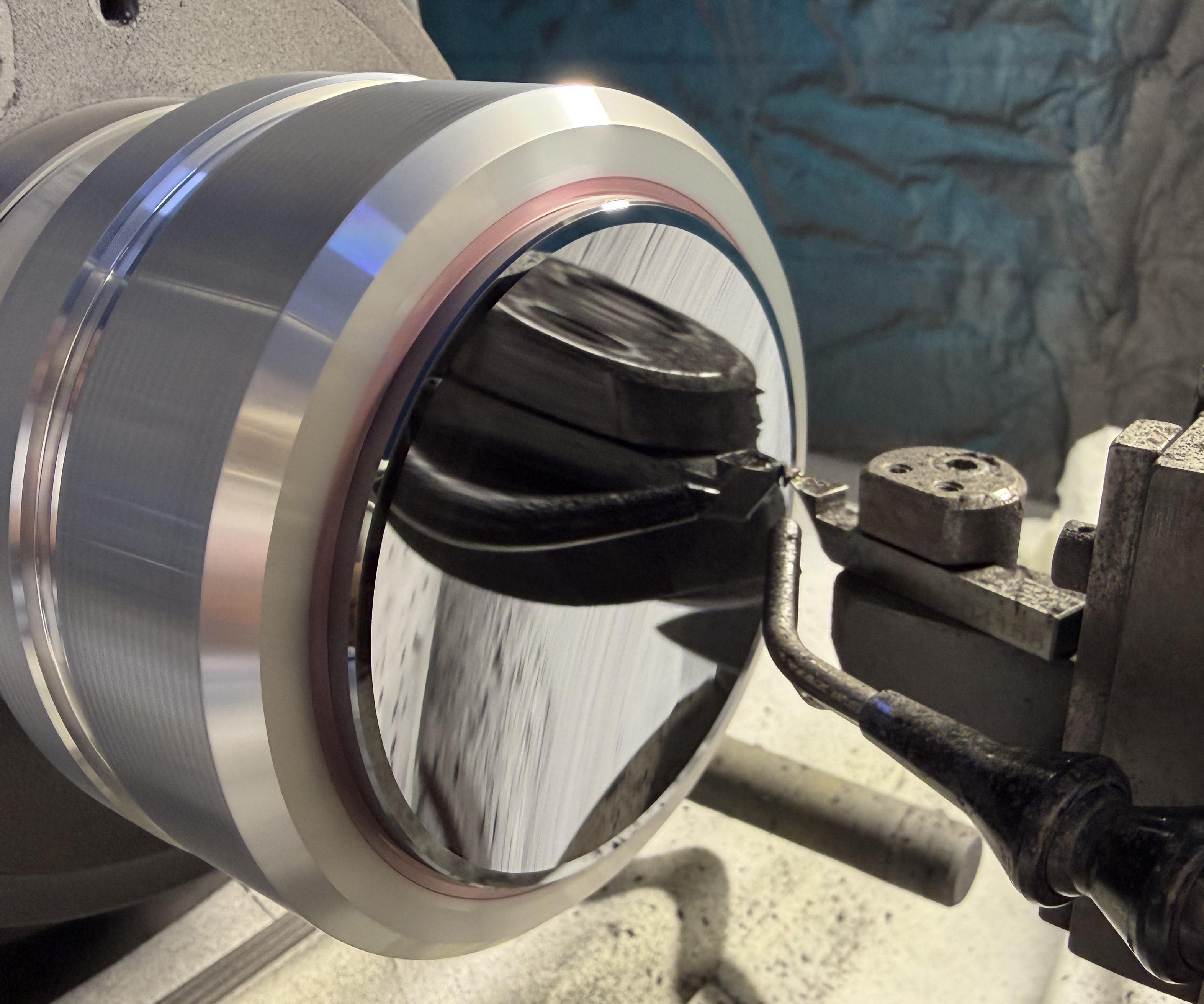
DIAMOND TURNING
Precision machining process
Diamond turning may be used for aspheric, custom or complex infrared geometries where dimensional control and surface generation are critical.
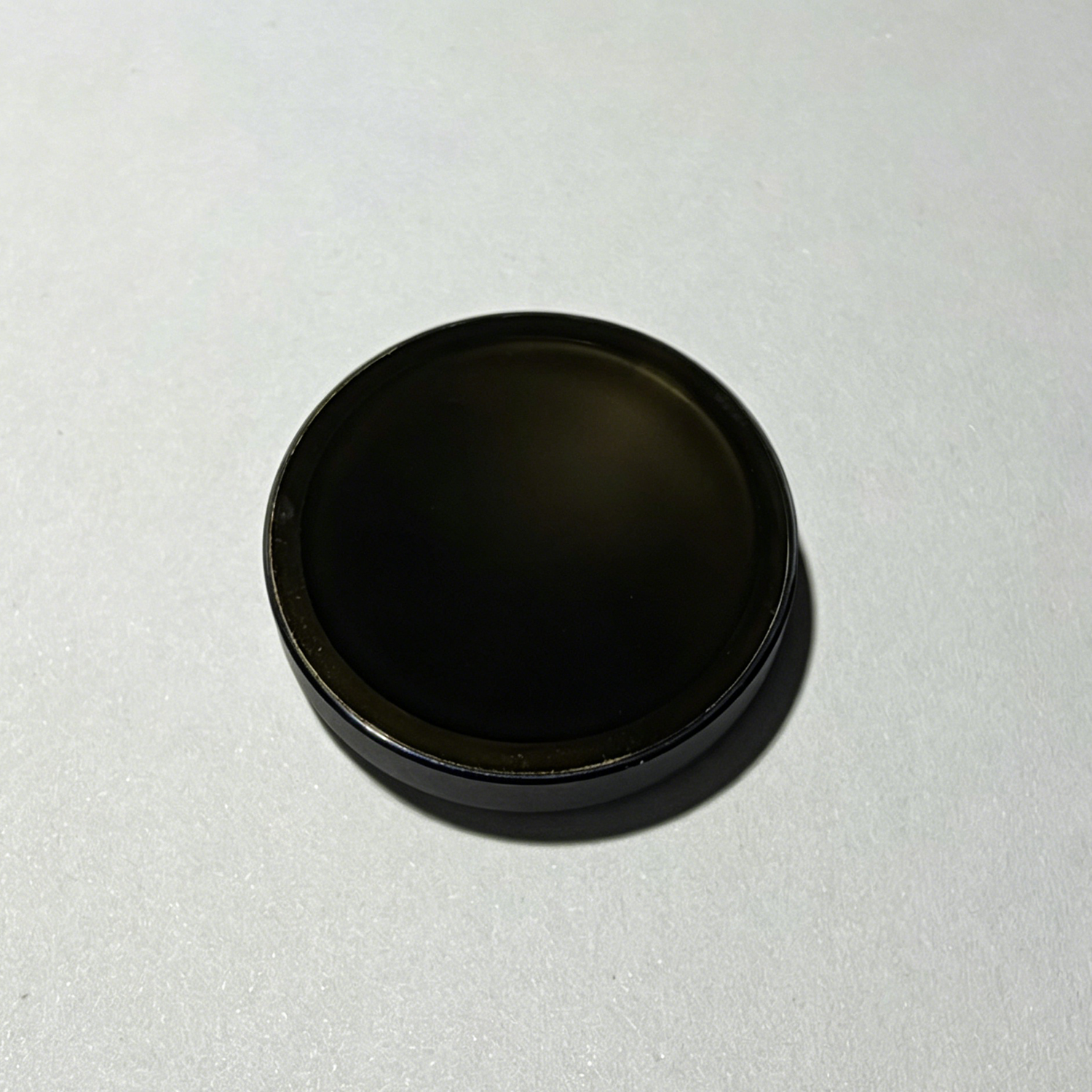
DLC SAMPLE
Coating evaluation sample
Coated samples can support process evaluation, surface condition review and coating-route discussion before production release.
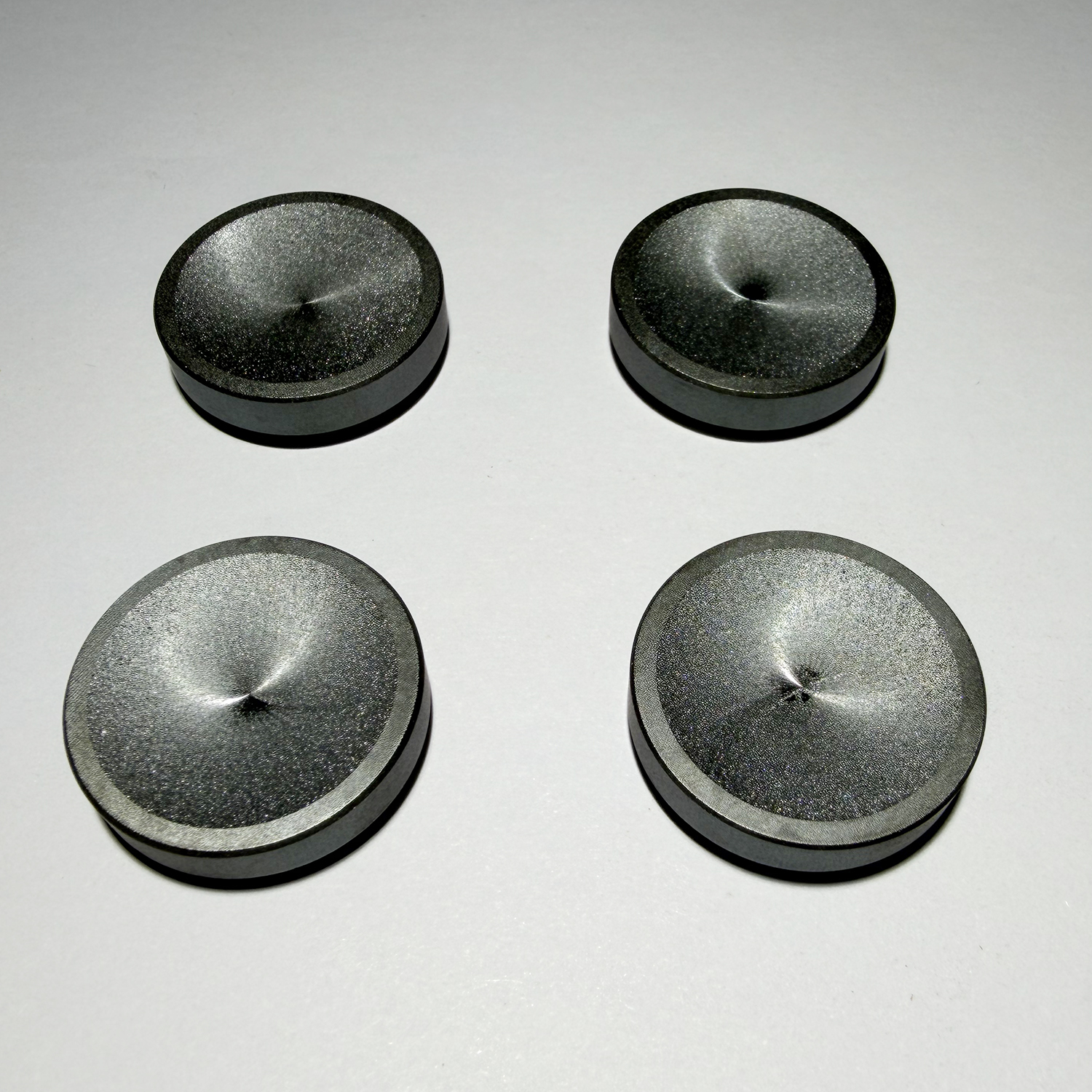
MATERIAL BLANKS
Preform-stage material view
Material blanks and preform-stage components are used during early process evaluation before final geometry, polishing and coating requirements are confirmed.
CAPABILITY MATRIX
Matching customer needs to process routes.
A clear process path helps reduce trial-and-error and makes RFQ communication more efficient.
When the customer needs...
- Controlled volume or weight
- Spherical preforms or balls
- 60/40 or 40/20 surface quality
- Complex IR geometry
- Durability for exposed surfaces
- Optical performance by wavelength band
We evaluate...
- Preform / blank preparation route
- Ball / spherical preform processing route
- Polishing and inspection requirements
- Diamond turning feasibility
- DLC or hard coating route
- AR / BBAR coating design direction
SURFACE QUALITY & COATING READINESS
Surface quality should match geometry, inspection and coating needs.
For chalcogenide glass infrared components, surface quality is not only a number. It must be reviewed together with part geometry, process route, inspection method and coating requirements.
60/40 surface quality
Suitable for selected components depending on geometry, process route and final application.
- Drawing-based confirmation
- Practical for many IR component requirements
- May vary by size and geometry
40/20 surface quality
Available for qualified requirements when part geometry, process route and inspection expectations align.
- Requires clear inspection criteria
- Best reviewed during RFQ stage
- May influence price and lead time
Coating readiness
Surface preparation may be adjusted depending on DLC, AR, BBAR, hard coating or custom coating needs.
- DLC preparation
- AR / BBAR preparation
- Hard coating preparation
RFQ REVIEW PROCESS
How we review a chalcogenide glass IR optics request.
The RFQ process is designed to clarify the manufacturable route before quoting.
STEP 1
Receive drawing / specification
Send drawings, material information, target dimensions, surface quality, coating needs, wavelength range, quantity and application.
STEP 2
Review practical route
We evaluate whether the program fits preforms, balls, polishing, diamond turning, coating or a combined route.
STEP 3
Respond with quote guidance
We respond with questions, feasibility direction and quote guidance based on quantity, process route and technical requirements.
READY TO REVIEW
Send your chalcogenide glass IR optics requirement.
Include drawing/spec, material, dimensions, surface quality target, coating needs, wavelength range, quantity and target application. We will review the manufacturable path and provide quote guidance.